
Blog
5th December 2025
When running a busy commercial premises, it is easy to overlook emergency lighting until something goes wrong. Many businesses in Plymouth assume their systems will work when needed, but faults often go unnoticed until a power cut or evacuation highlights a bigger problem. Emergency lights are a legal requirement for commercial buildings, and regular testing is the only way to ensure they will operate correctly in an emergency. A few simple checks each month can protect your staff, customers, and your business from unnecessary risk.
Here is how routine emergency light testing keeps your premises safe, compliant, and fully prepared for unexpected situations.
Regular emergency light testing is a simple but essential part of keeping your workplace safe and compliant. With Ocean City Electrical, you can be confident that your systems are always ready when they matter most. To learn more about site wide compliance, you can also read our guide to understanding your EICR report.

If you’re a private homeowner or landlord looking for a domestic electrician near me, Ocean City Electrical can help. From our offices in Plymouth, we offer a comprehensive range of domestic electrical services including installations, fault finding and repairs. Our domestic electrical services include:

Looking to enhance your home with new and improved lighting? Or are you looking to save on energy bills? Whatever your reason, our team of professional electricians are experienced in all elements of house lighting design and installation.
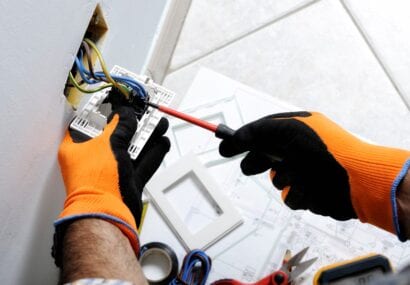
At Ocean City Electrical, our team of professional electricians come highly trained with the skills and expertise they require to handle every part of the electrical rewiring process. We’ll work with you every step of the way to ensure minimal disruption.

At Ocean City Electrical, we install high-quality 18th edition consumer units. Our highly skilled electricians boast decades of combined experience installing and maintaining consumer units and will strive to complete your installation to the highest possible standard.

An EICR determines whether or not the electrical system within your home is up to date and safe to use. If you own your home, it is recommended you receive a valid EICR from a registered electrician to ensure you, your home and your family aren’t at risk.

If you have an issue with your lighting circuits or consumer unit, Ocean City Electrical can help. Our team of experienced electricians can identify and diagnose all kinds of electrical faults, and resolve the issue with efficiency and professionalism.