
Blog
17th November 2025
Not long ago, a landlord in Plymouth contacted us after receiving an Electrical Installation Condition Report (EICR) full of unfamiliar codes and comments. They weren’t sure what any of it meant, or whether the property was even safe to let. This kind of confusion is common, and it’s one of the main reasons we take time to explain every detail of an inspection. Understanding your EICR report doesn’t just help you stay compliant, it ensures you know exactly what’s happening with your electrical system and what actions to take next.
If you’ve recently had an EICR inspection and want to make sense of the results, this guide breaks down what the codes mean, why they matter, and how to respond to them.
Don’t leave electrical safety to chance. Understanding your EICR helps you make informed decisions that keep your property safe, compliant, and efficient.

If you’re a private homeowner or landlord looking for a domestic electrician near me, Ocean City Electrical can help. From our offices in Plymouth, we offer a comprehensive range of domestic electrical services including installations, fault finding and repairs. Our domestic electrical services include:

Looking to enhance your home with new and improved lighting? Or are you looking to save on energy bills? Whatever your reason, our team of professional electricians are experienced in all elements of house lighting design and installation.
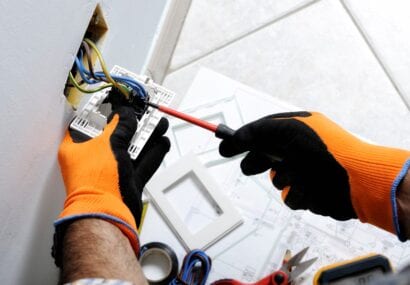
At Ocean City Electrical, our team of professional electricians come highly trained with the skills and expertise they require to handle every part of the electrical rewiring process. We’ll work with you every step of the way to ensure minimal disruption.

At Ocean City Electrical, we install high-quality 18th edition consumer units. Our highly skilled electricians boast decades of combined experience installing and maintaining consumer units and will strive to complete your installation to the highest possible standard.

An EICR determines whether or not the electrical system within your home is up to date and safe to use. If you own your home, it is recommended you receive a valid EICR from a registered electrician to ensure you, your home and your family aren’t at risk.
If you have an issue with your lighting circuits or consumer unit, Ocean City Electrical can help. Our team of experienced electricians can identify and diagnose all kinds of electrical faults, and resolve the issue with efficiency and professionalism.