
Blog
19th January 2026
Receiving an Electrical Installation Condition Report (EICR) that does not pass can be worrying for homeowners. Many people immediately assume it means major work, significant disruption, or even a full rewire. In reality, that is rarely the case.
An EICR is designed to identify safety concerns and highlight areas that may need attention. Understanding what the results actually mean helps you make informed decisions without unnecessary stress.
Most homes that fail an EICR do so because of specific, identifiable issues rather than widespread electrical failure.
An EICR does not use a simple pass or fail system. Instead, observations are categorised based on their level of risk. These codes help determine what action, if any, is required to improve safety.
An EICR is classed as unsatisfactory if any C1, C2, or FI observations are identified. This does not mean the entire electrical system is unsafe, but it does indicate that specific issues need to be addressed or investigated further before the installation can be considered satisfactory.
In domestic properties, EICR failures are often caused by relatively common issues, particularly in older homes.
How EICR outcomes are classified
This system ensures that electrical safety decisions are based on clearly defined criteria rather than opinion.
Many of these issues can be resolved through targeted upgrades rather than extensive electrical work.
A consumer unit upgrade is one of the most common solutions for addressing safety concerns highlighted during an EICR.
One of the biggest misconceptions is that failing an EICR automatically means a full rewire. In most cases, this simply isn’t true.
Where the existing wiring is in reasonable condition, improvements such as upgraded protection, repairs to specific circuits, or improved earthing can bring the installation up to a satisfactory standard.
Occasionally, an EICR may recommend further investigation. This doesn’t mean something is wrong, it means the electrician needs to carry out additional testing to confirm the condition of certain circuits or components.
In these situations, electrical fault finding helps clarify whether an issue is localised or part of a wider concern.
Rewiring is generally only advised when the wiring itself is unsafe or significantly deteriorated, or where repeated issues cannot be resolved through upgrades or repairs.
If rewiring is required, this recommendation is normally supported by clear evidence from inspection and testing, rather than assumption.
Where necessary, a partial or full rewire provides a long term solution that restores safety and reliability.
The purpose of an EICR is to improve safety, not to create unnecessary work. By addressing issues proportionately and based on evidence, most homes can achieve a satisfactory result without major disruption.
If your home has recently had an EICR with observations you’re unsure about, professional advice can help you understand what action is genuinely required and what can wait.

If you’re a private homeowner or landlord looking for a domestic electrician near me, Ocean City Electrical can help. From our offices in Plymouth, we offer a comprehensive range of domestic electrical services including installations, fault finding and repairs. Our domestic electrical services include:

Looking to enhance your home with new and improved lighting? Or are you looking to save on energy bills? Whatever your reason, our team of professional electricians are experienced in all elements of house lighting design and installation.
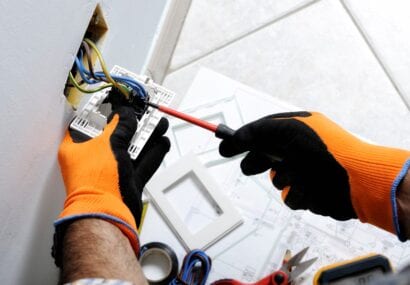
At Ocean City Electrical, our team of professional electricians come highly trained with the skills and expertise they require to handle every part of the electrical rewiring process. We’ll work with you every step of the way to ensure minimal disruption.

At Ocean City Electrical, we install high-quality 18th edition consumer units. Our highly skilled electricians boast decades of combined experience installing and maintaining consumer units and will strive to complete your installation to the highest possible standard.

An EICR determines whether or not the electrical system within your home is up to date and safe to use. If you own your home, it is recommended you receive a valid EICR from a registered electrician to ensure you, your home and your family aren’t at risk.

If you have an issue with your lighting circuits or consumer unit, Ocean City Electrical can help. Our team of experienced electricians can identify and diagnose all kinds of electrical faults, and resolve the issue with efficiency and professionalism.