
Blog
9th February 2026
Installing an electric vehicle charger at home is a practical and convenient upgrade, but before installation takes place, there are a few important checks that help ensure the process is smooth, safe, and compliant.
While many homes are suitable for EV charging, factors such as electrical capacity, protection, and the condition of the existing installation can affect what work is required.
A home EV charger installation should always begin with an assessment of the existing electrical system rather than assumptions about suitability.
One of the first considerations is whether your home’s electrical supply can support an EV charger alongside existing usage. Most domestic chargers operate at 7kW, which represents a significant additional load.
An electrician will assess:
Many older homes still have consumer units that were not designed to support modern electrical loads. In these cases, upgrading protection is often required before an EV charger can be installed.
A consumer unit upgrade may be recommended to provide the correct circuit protection and ensure compliance with current safety standards.
Modern consumer units help protect both the property and the EV charging equipment by responding quickly to electrical faults.
EV chargers place specific requirements on earthing and bonding. Before installation, these safety systems must be checked to ensure they meet current regulations.
Where earthing arrangements are unclear or outdated, further assessment or upgrades may be required to allow installation to proceed safely.
If the condition of the existing electrical installation is unknown, or if the property has not been inspected for some time, an Electrical Installation Condition Report (EICR) may be recommended.
An EICR helps identify any safety concerns or limitations that could affect EV charger installation, allowing issues to be addressed before work begins.
The position of the charger, parking arrangements, and cable routes all influence installation complexity. Careful planning helps minimise disruption and ensures the charger is practical to use day to day.
This includes considering wall construction, external routing, and future vehicle changes.
Installing an EV charger is more than fitting a single piece of equipment. A planned approach ensures your home’s electrical system can safely support charging now and in the future.
Professional EV charger installation begins with assessment, followed by proportionate upgrades where required, rather than unnecessary work.
By checking these factors early, homeowners can avoid delays and ensure their EV charging solution is safe, reliable, and compliant.

If you’re a private homeowner or landlord looking for a domestic electrician near me, Ocean City Electrical can help. From our offices in Plymouth, we offer a comprehensive range of domestic electrical services including installations, fault finding and repairs. Our domestic electrical services include:

Looking to enhance your home with new and improved lighting? Or are you looking to save on energy bills? Whatever your reason, our team of professional electricians are experienced in all elements of house lighting design and installation.
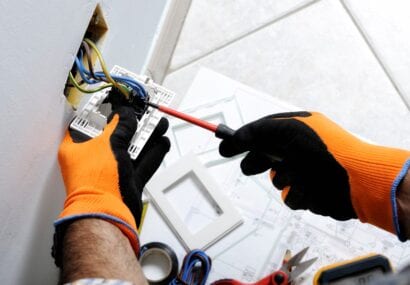
At Ocean City Electrical, our team of professional electricians come highly trained with the skills and expertise they require to handle every part of the electrical rewiring process. We’ll work with you every step of the way to ensure minimal disruption.

At Ocean City Electrical, we install high-quality 18th edition consumer units. Our highly skilled electricians boast decades of combined experience installing and maintaining consumer units and will strive to complete your installation to the highest possible standard.

An EICR determines whether or not the electrical system within your home is up to date and safe to use. If you own your home, it is recommended you receive a valid EICR from a registered electrician to ensure you, your home and your family aren’t at risk.

If you have an issue with your lighting circuits or consumer unit, Ocean City Electrical can help. Our team of experienced electricians can identify and diagnose all kinds of electrical faults, and resolve the issue with efficiency and professionalism.