
Blog
5th January 2026
Electrical fault finding plays an important role in diagnosing problems within a home, but it isn’t required for every type of electrical work. Understanding when fault finding is necessary, and when it isn’t, helps homeowners make informed decisions and avoid unnecessary disruption.
Some electrical jobs, such as installing new equipment or upgrading existing systems, can often be completed without fault finding at all. Others, particularly when something is not working as it should, benefit from a proper investigation before any repairs or upgrades are considered.
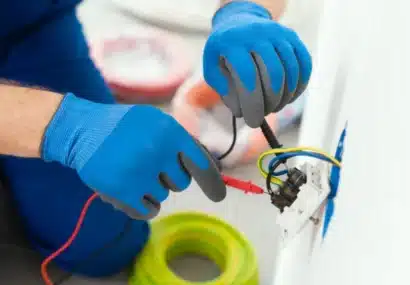
Electrical fault finding is a structured process used to identify the cause of an electrical problem. It focuses on understanding why an issue is occurring, rather than simply replacing components or assuming a larger problem exists.
Fault finding is commonly used when homeowners experience:
In these situations, fault finding helps pinpoint whether the issue is localised or part of a wider concern.
Not all electrical work starts with fault finding. Planned installations and upgrades often begin with an assessment rather than investigation.
For example, installing a new EV charger or upgrading lighting does not normally require fault finding if the existing electrical system is functioning correctly and suitable for the additional load.
Instead, checks focus on capacity, protection, and compliance, ensuring the installation can be carried out safely.
In some cases, fault finding may reveal underlying safety concerns, particularly in older properties or homes that have been extended or altered over time.
Where wider issues are suspected, an Electrical Installation Condition Report (EICR) may be recommended. An EICR provides a broader assessment of the electrical installation and helps determine whether upgrades or remedial work are required.
Identifying a fault does not automatically mean major work is needed. Many issues can be resolved with targeted repairs or improved circuit protection.
Only when safety standards cannot be met through repairs or upgrades would more extensive work, such as rewiring, be considered.
The key benefit of fault finding is clarity. It ensures decisions are based on evidence rather than assumption, helping homeowners understand what work is genuinely required and why.
If something isn’t working as expected, professional electrical fault finding can be the safest place to start. If the work is planned and preventative, other checks or assessments may be more appropriate.
If you’re a private homeowner or landlord looking for a domestic electrician near me, Ocean City Electrical can help. From our offices in Plymouth, we offer a comprehensive range of domestic electrical services including installations, fault finding and repairs. Our domestic electrical services include:

Looking to enhance your home with new and improved lighting? Or are you looking to save on energy bills? Whatever your reason, our team of professional electricians are experienced in all elements of house lighting design and installation.

At Ocean City Electrical, our team of professional electricians come highly trained with the skills and expertise they require to handle every part of the electrical rewiring process. We’ll work with you every step of the way to ensure minimal disruption.

At Ocean City Electrical, we install high-quality 18th edition consumer units. Our highly skilled electricians boast decades of combined experience installing and maintaining consumer units and will strive to complete your installation to the highest possible standard.

An EICR determines whether or not the electrical system within your home is up to date and safe to use. If you own your home, it is recommended you receive a valid EICR from a registered electrician to ensure you, your home and your family aren’t at risk.

If you have an issue with your lighting circuits or consumer unit, Ocean City Electrical can help. Our team of experienced electricians can identify and diagnose all kinds of electrical faults, and resolve the issue with efficiency and professionalism.