
Blog
26th January 2026
Electrical failures in commercial buildings are rarely sudden or unpredictable. In most cases, problems develop gradually due to increased electrical demand, ageing infrastructure, or changes in how a building is used. Without regular inspection and maintenance, small issues can escalate into disruption, downtime, or safety risks.
Understanding why commercial electrical systems fail, and how inspections help prevent this, allows businesses to manage risk proactively rather than reacting to problems after they occur.
In commercial environments, electrical reliability is closely linked to business continuity, staff safety, and regulatory compliance.
Commercial electrical systems are often under greater strain than domestic installations. Over time, this can expose weaknesses that are not immediately obvious.
Without structured inspection, these issues can remain hidden until a fault or failure occurs.
A commercial Electrical Installation Condition Report (EICR) provides an assessment of the condition of a building’s electrical system. It identifies safety concerns, areas of non compliance, and components that may require attention.
Regular inspections help businesses understand the condition of their electrical infrastructure and plan remedial work in a controlled, cost-effective way.
In many cases, inspections identify manageable issues early, allowing repairs or upgrades to be scheduled before disruption occurs.
Electrical failures do not always mean systems need to be replaced entirely. In many commercial settings, targeted upgrades can significantly improve safety and reliability.
For example, distribution panel upgrades are often recommended where existing panels no longer meet current demands or safety standards.
One of the key benefits of regular inspection is the ability to plan electrical works. Reactive repairs often take place under pressure, increasing disruption and cost.
Planned upgrades and maintenance allow businesses to:
Commercial electrical systems evolve over time as businesses grow, equipment changes, and compliance requirements develop. Regular assessment ensures systems remain safe, suitable, and reliable.
Where new installations or significant changes are required, professional commercial electrical installations should always be planned with future capacity and compliance in mind.
A proactive approach to inspections and upgrades helps businesses avoid downtime, manage risk, and maintain safe working environments.
Preventing electrical failure is rarely about one single action. It is about understanding the system’s condition, addressing issues proportionately, and planning improvements based on evidence.
For businesses, this approach supports safety, compliance, and long term operational stability without unnecessary disruption.

If you’re a private homeowner or landlord looking for a domestic electrician near me, Ocean City Electrical can help. From our offices in Plymouth, we offer a comprehensive range of domestic electrical services including installations, fault finding and repairs. Our domestic electrical services include:

Looking to enhance your home with new and improved lighting? Or are you looking to save on energy bills? Whatever your reason, our team of professional electricians are experienced in all elements of house lighting design and installation.
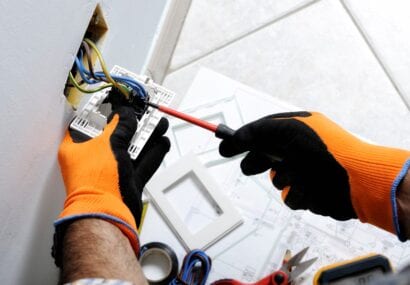
At Ocean City Electrical, our team of professional electricians come highly trained with the skills and expertise they require to handle every part of the electrical rewiring process. We’ll work with you every step of the way to ensure minimal disruption.
At Ocean City Electrical, we install high-quality 18th edition consumer units. Our highly skilled electricians boast decades of combined experience installing and maintaining consumer units and will strive to complete your installation to the highest possible standard.

An EICR determines whether or not the electrical system within your home is up to date and safe to use. If you own your home, it is recommended you receive a valid EICR from a registered electrician to ensure you, your home and your family aren’t at risk.

If you have an issue with your lighting circuits or consumer unit, Ocean City Electrical can help. Our team of experienced electricians can identify and diagnose all kinds of electrical faults, and resolve the issue with efficiency and professionalism.