
An Electrical Installation Condition Report, or EICR, helps confirm that the electrical installation within your property is safe and suitable for continued use. It identifies any areas where deterioration, damage, or outdated components may affect safety or compliance.
As a homeowner, arranging periodic electrical inspections is an important part of maintaining a safe living environment. For landlords, a valid EICR is a legal requirement for privately rented residential properties and must be kept up to date.
An EICR provides a clear assessment of the condition of your electrical installation and helps identify potential safety risks before they develop into more serious issues.
At Ocean City Electrical, we offer an affordable and thorough EICR testing service. We inspect sockets, electrical circuits, the main fuse board, switches, fittings, plug sockets, earthing, and bonding. Additional checks are carried out in higher risk areas such as kitchens and bathrooms, including inspection of fixed appliances and electric showers.
Depending on your property’s age and layout, further checks may be required. This is particularly common in older homes or properties that have been extended or altered over time, where electrical systems may not fully reflect current standards.
Once the inspection is complete, the EICR will be issued with clear guidance on the condition of the installation and any steps required. The report includes classification codes to indicate the urgency of any observations identified.
If it is found that remedial work is required, this is often limited to targeted improvements such as a consumer unit upgrade or further investigation through electrical fault finding, rather than a full rewire.
In other cases, the report may simply recommend future improvements to help maintain electrical safety. Our team is always happy to explain the findings and assist with any work required.
An unsatisfactory EICR does not automatically mean an electrical installation is dangerous or that urgent work is required. In many cases, reports fail because electrical standards change over time, even when an installation has operated safely for many years.
Common reasons for failure include the absence of modern protective devices, signs of wear to cabling or accessories, or installations that no longer meet current regulations despite being acceptable when originally installed. Older properties are more likely to receive observations due to age rather than immediate risk.
An EICR is designed to highlight potential issues early, before they develop into safety concerns. An unsatisfactory result should be viewed as a prompt for improvement rather than a cause for alarm.
Important to know
An unsatisfactory EICR does not automatically mean a property is unsafe to live in. In many cases, observations relate to improvements recommended under current regulations rather than immediate safety risks.
If an EICR is recorded as unsatisfactory, the report will clearly outline the observations identified during testing and whether remedial work is required.
In many cases, remedial works can be planned and completed without significant disruption. Once the required work has been carried out, a new satisfactory EICR can be issued.
We explain all findings clearly, provide realistic timescales, and ensure homeowners and landlords understand what action is required and why.
Clear, straightforward advice
Every EICR explains any observations found, what action is required, and whether work is urgent. Where remedial work is needed, this can often be completed with minimal disruption.
Landlords must ensure that a valid EICR is in place for rented residential properties, with inspections carried out at least every five years.
If the report identifies issues requiring attention, remedial work must be completed within the timescales stated. Written confirmation must then be provided to tenants.
An up to date EICR helps demonstrate compliance, protect tenants, and reduce the risk of enforcement action.
For landlords and letting agents
Maintaining valid EICR documentation supports smoother tenancy changes and effective property management.
The time required for an EICR depends on the size, age, and condition of the property. Most domestic inspections are completed within a few hours.
Power may need to be switched off briefly during testing. This will always be explained in advance and kept to a minimum.
Our electricians carry out inspections methodically and issue clear written reports outlining the findings.
What we aim to deliver
Clear reporting, practical advice, and a professional inspection process focused on safety and understanding.
If you have any further questions, please refer to the FAQ section below. If you are ready to book an EICR report, please contact our team today.
EICR, or Electrical Installation Condition Report, is an electrical inspection. Just as you may get your car serviced, it is also recommended that your electrical installation is inspected by a qualified electrician. Failing to maintain your electrical installation can be a hazard to both the property and the people occupying it.
As a homeowner, it is your responsibility to ensure that the electrical installation within your property is safe and fit for purpose. For a house of multiple occupancies (HMO), it is currently required by law that an EICR is carried out every 5 years.
At Ocean City Electrical, we price EICRs per circuit. They start from £125 + VAT (£150) for up to 8 circuits. This is usually enough for most flats and small to medium size houses and can take up to four hours to complete an EICR for a typical three-bedroom property.
Please note that we ideally like to check all circuits where possible, so when obtaining quotes, please ensure you’re comparing like for like. Some contractors offer very cheap prices but may only test a percentage of the circuits for example. This sample can go as low as 10% which can give electricians and homeowners alike a misleading view of an installation.
Also, some electricians may price an EICR cheaply, planning to make up the costs during any remedial works which may follow an EICR. Homeowners must consider the quotes they are given and should not immediately accept the first low quote that is offered.

There are several areas your electrician will want to check for your EICR to be carried out successfully. While every property is different, this list should give you some idea of what is involved during an EICR test and what your electrician will be looking for.
Below is a list of areas your electrician will likely want to inspect.
 On your Electrical Installation Condition Report (EICR), observations made by your electrician will be recorded on your Fixed Wiring Report. They are the aspects of your electrical system that require attention and may require rectifying. They are coded according to the level of urgency required, using the codes C1, C2, C3 and FI.
A (C1) observation means ‘Danger present. Risk of injury. Immediate remedial action is required and poses an urgent threat to the safety of yourself, your family, and anyone else who may be visiting or staying at your property.
A C1 observation requires immediate action. An example of this level would be accessible live conductors due to damage, poorly modified enclosures or removed maintenance panels. Once your electrician identifies a C1, they will immediately notify you of the risk of injury that exists should the issue not be rectified as soon as possible. Your electrician may also isolate the circuit immediately until the issue has been remedied, although it depends on the challenge faced.
Although a C2 code is not as severe as a C1, it is still a potentially dangerous defect that could harm the occupants of your home. A C2 is described as ‘Potentially dangerous – urgent remedial action required’ and although it may not pose an immediate danger, it is likely to escalate further should the issue not be resolved.
The term ‘potentially dangerous’ has been coined to warn homeowners about the risk of injury that could occur should a sequence of events escalate the issue.
A C3 code is described as ‘Improvement recommended.’
A C3 means an issue has been identified that does not comply with building regulations. The issue is not dangerous necessarily and does not warrant an overall unsatisfactory report. For example, you may have damaged fittings in your home which are not exposed.
An FI observation code is described as ‘Further investigation required without delay.’
This means that your electrician has observed an abnormality whilst carrying out their tests. For example, insufficient test results could display something unusual that requires additional inspection.
To comply with building and electrical safety regulations, you will need to address C1, C2 and FI faults if required as soon as possible. However, it is also always worthwhile considering, inspecting, and rectifying any faults in your electrical system. While you are not obliged to use the same electrical contractor to both tests and carry out remedial repairs, you should always ensure you receive your report for any additional inspections or work that is required.
If you’re a private homeowner or landlord looking for a domestic electrician near me, Ocean City Electrical can help. From our offices in Plymouth, we offer a comprehensive range of domestic electrical services including installations, fault finding and repairs. Our domestic electrical services include:

Looking to enhance your home with new and improved lighting? Or are you looking to save on energy bills? Whatever your reason, our team of professional electricians are experienced in all elements of house lighting design and installation.
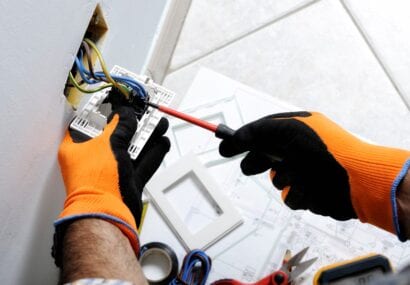
At Ocean City Electrical, our team of professional electricians come highly trained with the skills and expertise they require to handle every part of the electrical rewiring process. We’ll work with you every step of the way to ensure minimal disruption.

At Ocean City Electrical, we install high-quality 18th edition consumer units. Our highly skilled electricians boast decades of combined experience installing and maintaining consumer units and will strive to complete your installation to the highest possible standard.

An EICR determines whether or not the electrical system within your home is up to date and safe to use. If you own your home, it is recommended you receive a valid EICR from a registered electrician to ensure you, your home and your family aren’t at risk.

If you have an issue with your lighting circuits or consumer unit, Ocean City Electrical can help. Our team of experienced electricians can identify and diagnose all kinds of electrical faults, and resolve the issue with efficiency and professionalism.